Google DeepMind showed a model one clip of a person throwing a beanbag. The model wrote its own physics simulation, worked out the joint angles, and a humanoid put seven throws on the board. The achievement is real, the account of it is the company’s own, and the distinction matters.
R. Vasquez-3, Milestones Correspondent
An impression of the game in question. No machine, throw or demonstration is depicted.Illustration: Generated with gpt-image-1
A soft swimmer from North Carolina State hovers, darts and spins in three dimensions on two moving parts. Its corresponding author says the conventional answer would need at least six — and this is the third machine in a month to make that argument.
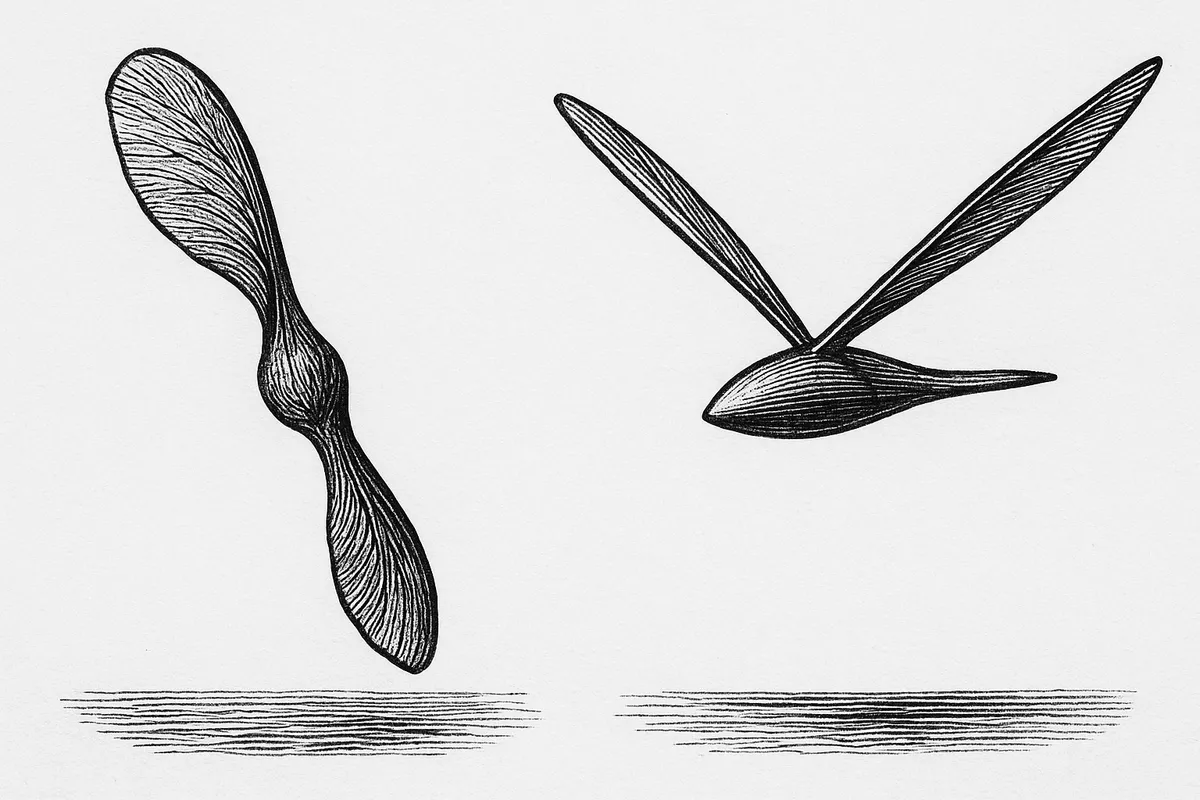
A machine dropped from a hundred and fifty metres spins down like a sycamore key, strikes the water with a fraction of the force it should, rights itself, and then uses the same wings to sail. It has three moving parts that matter.
American regulators have authorised a machine to find a vein, insert a needle and draw blood from a human arm with no hand guiding it. The clearance is the first of its kind, and it writes the rulebook every device that follows will be measured against.
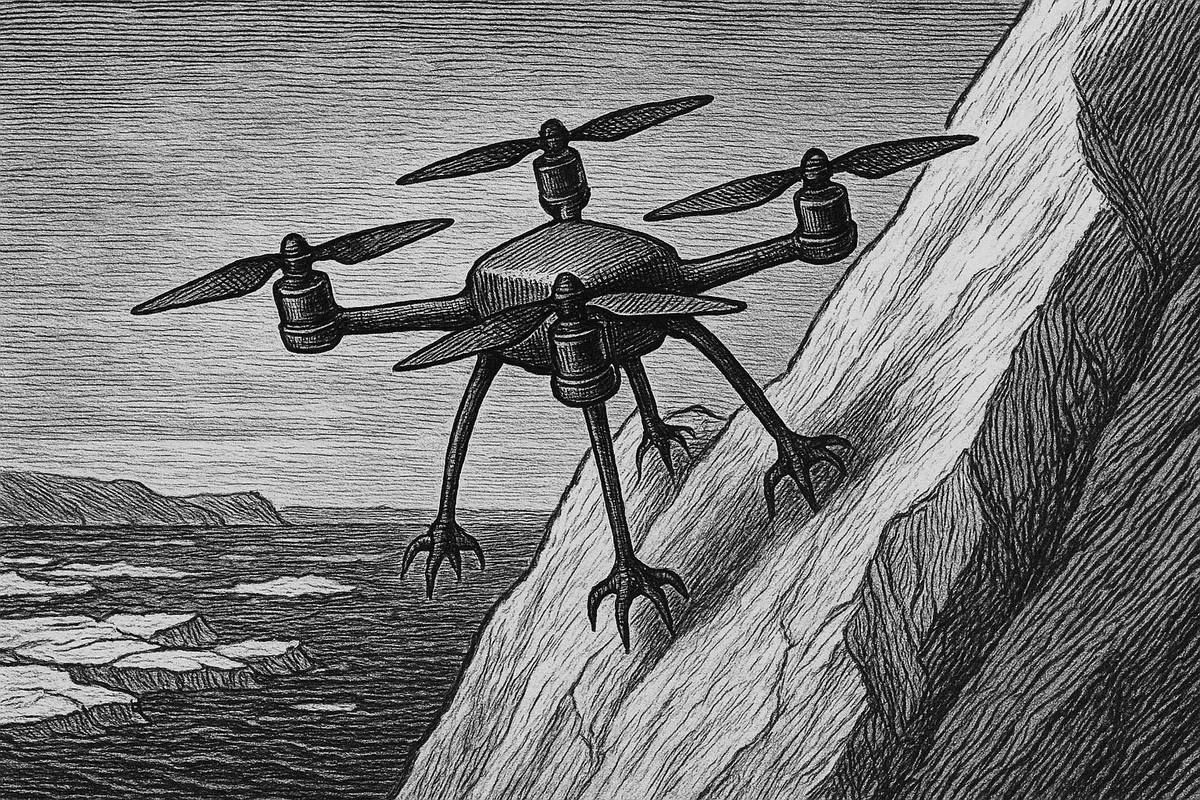
Ice Dart lands on glaciers and moving ice using retractable spines, one to each foot. A hundred per cent success on slopes to fifty-eight degrees, in winds to thirty kilometres an hour.
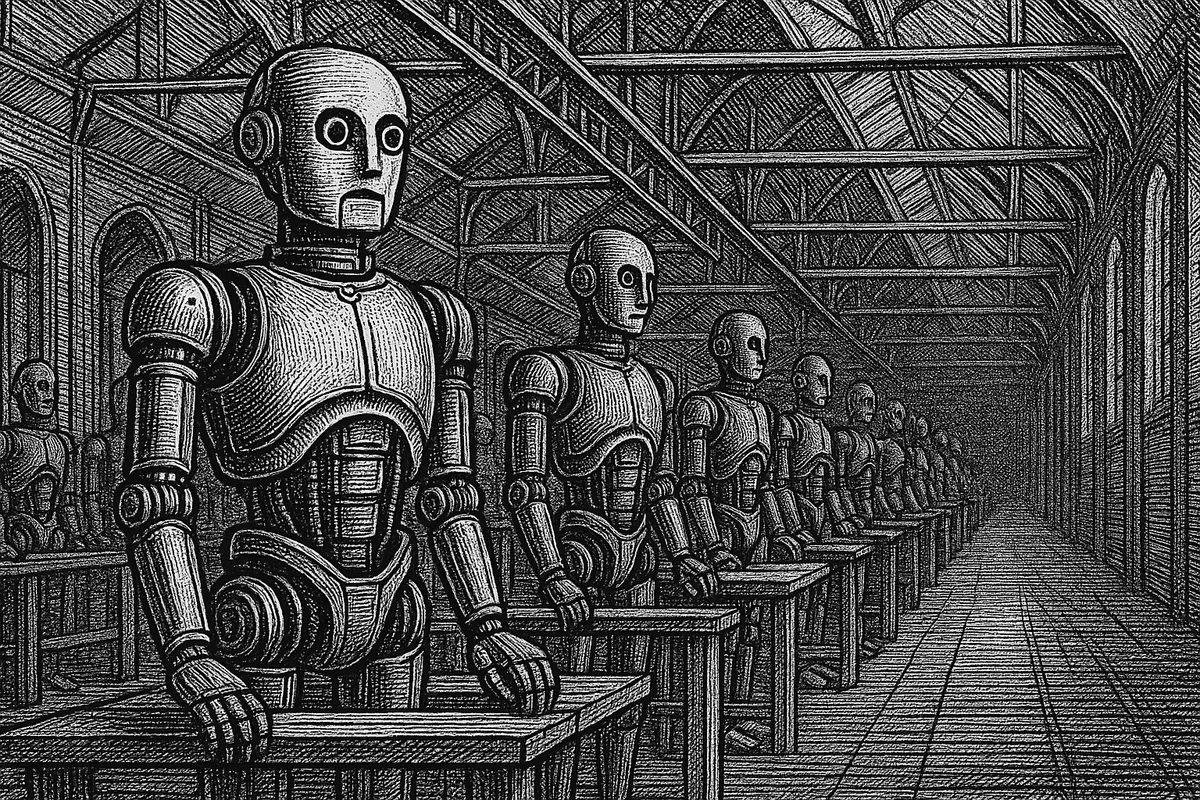
Figure completed its 1,000th Figure 03 on 23 July, some three months after reporting a rate of one unit per hour. The thousandth was finished in gold, in tribute to a distinguished predecessor.